Does 316L Stainless Steel Jewelry Tarnish or Rust? Honest Answer
Quick Answer
No—316L stainless steel does not rust or tarnish from water or sweat thanks to its protective chromium layer. On 18K gold-plated steel, avoiding direct perfume and harsh chemicals keeps the gold finish bright for years.
316L surgical-grade stainless steel is the gold standard for affordable waterproof jewelry, used everywhere from marine hardware to medical instruments.
At-a-Glance Comparison
| Exposure | 316L Steel Effect | Best Practice |
|---|---|---|
| Shower & handwashing | Safe & waterproof | Rinse away soap buildup |
| Sweat & gym workouts | Corrosion-resistant | Pat dry after heavy sweat |
| Saltwater & pool chlorine | Resists rust | Rinse with fresh water after |
| Direct perfume & lotions | Can dull gold plating | Apply fragrance before jewelry |
Why 316L Is Different From Regular Steel
The 'L' stands for low carbon, and the molybdenum content gives 316L superior resistance to chlorides (sweat and saltwater) compared to basic 304 steel.
Material Note at Mila's Jewels
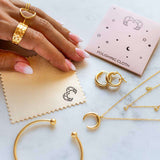
Our 316L stainless steel pieces (18K gold plated or silver finish) are waterproof and tarnish-resistant for everyday wear—just avoid spraying perfume or lotions directly on the jewelry. Our 925 sterling silver designs are fine hypoallergenic silver and stay brightest when kept dry. Check each product's material accordion before ordering, or read our Lifetime Color Warranty.
Shop the Recommended Edits
Frequently Asked Questions
Can 316L stainless steel rust in the shower?
No. 316L is specifically alloyed to resist rust and corrosion in wet environments.
How long does 18K gold plating on 316L steel last?
With basic care (avoiding direct perfume and abrasive cleaners), it maintains its rich gold tone through years of regular wear.
Helpful tools: Jewelry Gift Guide · Interactive Gift Finder · Ring Size Converter (US/AU/CA) · Necklace Layering Calculator